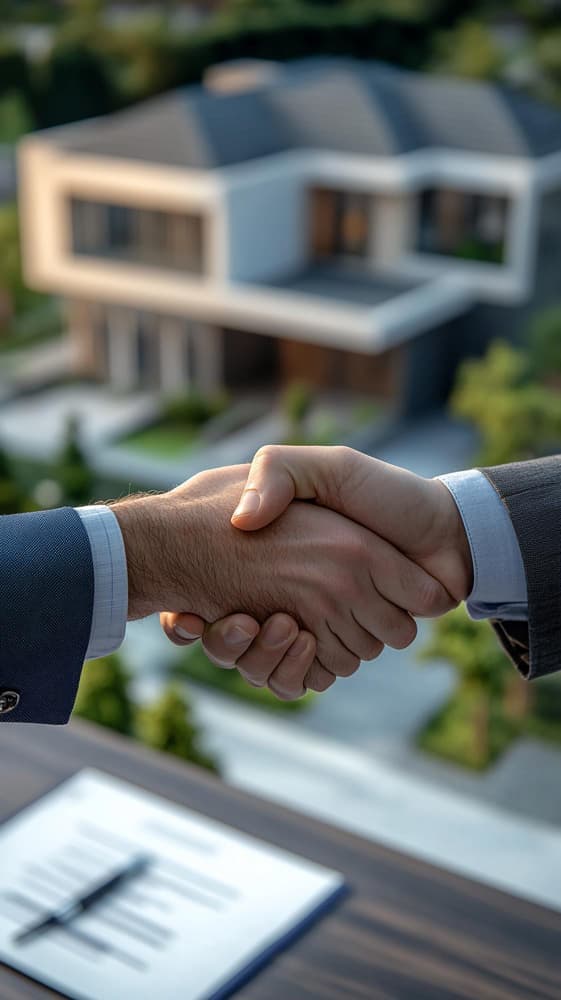
Trust is the foundation of every successful real estate journey. This is especially true in high-value projects, where buyers invest not only their money but also their long-term future, lifestyle, and sense of security.
In today’s world, people do not choose a property only because of its location or appearance. They choose it because they trust the developer, trust the quality, trust the planning, and trust that the project will support their life for many years.
Trust is what separates average developers from visionary leaders. It is also why the world follows several famous entrepreneurs who have built strong reputations in major industries, including luxury real estate.
Their work shows that trust is not built in a single day. It is built through discipline, clarity, honesty, and commitment to delivering the best product possible.
High-value real estate development requires more than construction. It requires responsibility. Buyers expect transparency, long-lasting materials, thoughtful amenities, and a design experience that respects their lifestyle.
This is where strong real estate leadership becomes important.
Why Trust Is the Core of Premium Real Estate Development
Trust Begins With Clear Planning and Real Market Understanding
A high-value development cannot succeed without solid planning. Buyers trust developers who understand the market deeply. This means knowing what people want, what lifestyles are growing, what product mix will fit the location, and how the development will perform in the long run.
Good planning includes:
- Studying buyer expectations
- Understanding local and international demand
- Creating the right mix of homes
- Designing useful amenities
- Making sure prices match long-term value
Planning is the first promise the developer makes to the buyer. When planning is strong, the rest of the project becomes stronger.
Read This Blog: Top 7 Challenges faced by Entrepreneurs in UAE
Transparency Makes Buyers Feel Safe
One of the biggest fears buyers face is hidden information. They worry about delayed timelines, unexpected costs, wrong materials, or poor finishing. This is where transparency becomes a powerful tool for building trust in real estate.
Developers must share:
- Real timelines
- Accurate construction updates
- Material information
- Detailed floor plans
- Safety features
- Amenity details
When buyers know everything clearly, they feel respected and protected. Transparency shows leadership. It shows that the developer has nothing to hide.
Quality of Construction Builds Lifetime Confidence
Construction quality decides the future of every project. High-value developments must use strong materials, advanced engineering, and durable products. Buyers judge quality not only through design but through their daily experience inside the home.
Quality includes:
- Strong concrete structure
- Moisture and heat protection
- High-grade window systems
- Soundproofing between walls
- Premium flooring materials
- Designer kitchen and bathroom fittings
- Fire safety and ventilation systems
These elements may not always be visible, but they define comfort, safety, and long-term value. When quality is consistent, buyers trust the developer for life.
Design That Matches Modern Lifestyle Trends
Trust grows when people feel the design understands their lives. Modern luxury buyers want open spaces, natural light, privacy, flexible rooms, and calm interiors. They also look for smart technology and future-ready layouts.
Strong design includes:
- Smart room planning
- Large windows
- Natural light flow
- Open kitchens
- Walk-in wardrobes
- Thoughtful lighting systems
- Smart-home products such as keyless entry and automated climate control
Buyers trust a developer when every design choice feels intentional and thoughtful.
Amenities That Deliver Real Value
High-value real estate is not defined by looks alone. It is defined by experience. Amenities play a big role in shaping that experience, and they strongly influence buyer trust.
Premium amenities include:
- Resort-style pools
- Fitness centres with modern equipment
- Spa and wellness rooms
- Children’s activity zones
- Outdoor gardens and walking paths
- Co-working spaces
- Private lounges
- Concierge and security services
These products make everyday life better. They also show that the developer is investing in the community, not just the building. When amenities are well planned and high quality, buyers feel confident in the long-term value of their purchase.
Sustainability and Technology Strengthen Trust
Modern real estate is moving toward healthier and smarter spaces. Buyers trust developments that show responsibility toward the environment and their well-being.
Sustainable features include:
- Energy-efficient lighting
- Water-saving systems
- Solar support
- Green landscape design
- Air purification solutions
- Waste-management systems
Technology features include:
- Smart-home controls
- Digital security
- Touchless access
- High-speed connectivity
These systems make the project future-ready. They create trust because they protect the buyer’s investment for many years.
Explore This Guide: From Humble Beginnings to Becoming a Successful Businessman in UAE
Strong Customer Support Builds Long-Term Relationships
Trust is not built at the time of sale. It is built over the lifetime of the project. Developers who maintain good communication, deliver strong after-sales support, and respond quickly to buyer concerns create powerful long-term relationships.
Customer trust grows through:
- Regular project updates
- Quick support
- Transparent documentation
- Reliable maintenance teams
- Long-term service support
High-value buyers appreciate developers who stay involved and continue supporting the community after handover.
Read this also: Risk-Adjusted Returns in Real Estate
Leadership Defines the Soul of Every Project
Behind every trusted real estate brand is a leader with vision. Strong real estate entrepreneurship focuses on responsibility, discipline, clarity, innovation, and long-term value creation. Leadership shapes everything from planning and design to construction and customer care.
Buyers trust leaders who:
- Deliver on their promises
- Use high-quality products
- Respect timelines
- Think long term
- Put the customer first
Trust is not a marketing word. It is a culture that comes from leadership.
Conclusion
High-value developments succeed when trust is built through planning, transparency, strong materials, thoughtful design, modern amenities, sustainability, and responsible leadership. These qualities create real long-term value for both residents and investors.
Satish Sanpal show how trust, quality, and disciplined real estate leadership can transform premium projects into lasting landmarks that inspire confidence for generations.
Read this also: Top 5 Leadership Strategies for Lasting Success
Frequently Asked Questions
- Why is trust important in high-value real estate developments?
Trust helps buyers feel secure about quality, timelines, design, and long-term value. When developers work with honesty and strong planning, buyers confidently invest in premium projects.
- How does transparency help build trust in real estate?
Transparency gives buyers clear information about materials, timelines, amenities, and progress. It removes uncertainty and helps people feel respected, informed, and confident in the developer’s commitment.
- Why do construction materials matter in building trust?
High-quality materials create durability, comfort, and safety. When buyers see strong products used throughout the project, they feel assured that the development will last for many years.
- What role do amenities play in earning buyer trust?
Amenities show how much the developer values lifestyle, comfort, and community. Well-planned pools, gyms, green areas, and smart systems increase satisfaction and make buyers trust the development more.
- How does real estate leadership influence trust?
Strong leadership ensures discipline, responsible planning, timely delivery, and customer care. When developers lead with clarity and long-term vision, buyers trust the entire project and its future value.