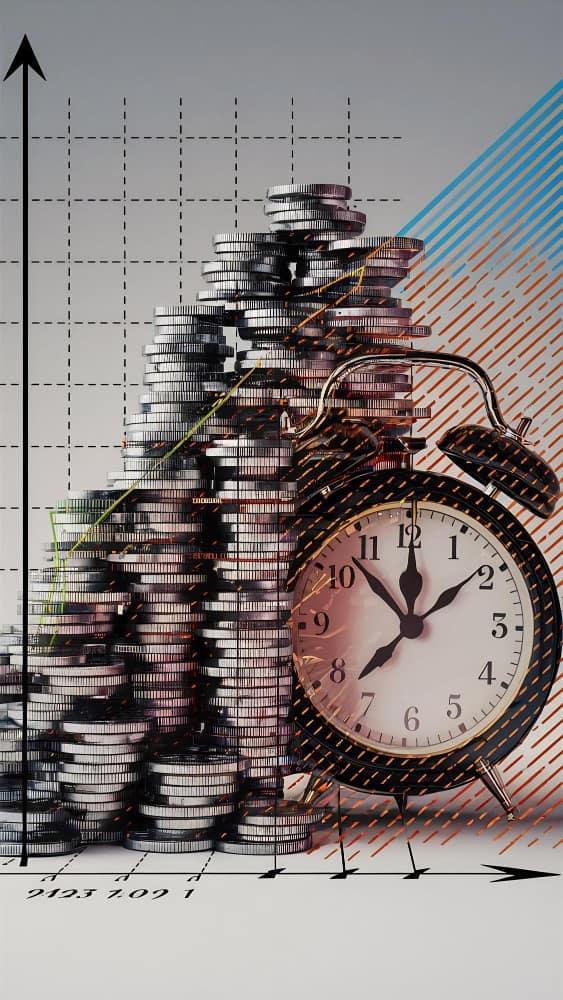
Many business owners believe success depends on perfect market timing. They wait for the right moment to invest, expand, or launch a project. In reality, waiting for the perfect time often leads to missed opportunities. Markets move constantly. Timing is uncertain. What truly decides long-term success is the cost of capital.
The most successful entrepreneur in the Dubai business environment understands this clearly. They focus less on guessing market highs and lows and more on how efficiently capital is used. This article shares experience-based thinking shaped by work across real estate, luxury developments, hospitality ventures, lifestyle platforms, and long-term investments.
Understanding the Cost of Capital in Simple Terms
Cost of capital means the price a business pays to use money. This money may come from investors, partners, or loans. Every source of capital has a cost. If this cost is high, even a good business idea can fail.
A strong business finance strategy starts with understanding capital cost. When capital is affordable and structured well, businesses gain flexibility. They can survive slow periods and grow during strong cycles.
Market timing is unpredictable. Cost of capital, however, can be planned and controlled.
Read this also: Risk-Adjusted Returns in Real Estate Development
Why Market Timing Is Often Overrated
Market timing means trying to invest at the perfect moment. Many people wait for prices to fall or demand to peak. This approach looks smart in theory but fails in practice.
Common problems with market timing include:
- No one knows the exact bottom or top
- Waiting creates lost opportunities
- Delays increase uncertainty
- Competition moves ahead faster
Markets reward consistency more than perfection. Businesses that focus on investment fundamentals build stability instead of chasing perfect timing.
Capital Efficiency Is a Stronger Advantage
Capital efficiency in business means using every unit of money wisely. Efficient capital creates value without waste.
Capital-efficient businesses:
- Spend only when returns are clear
- Avoid unnecessary debt
- Reinvest profits carefully
- Protect cash flow
In real estate, hospitality, and lifestyle projects, capital efficiency often matters more than price cycles. A project with low capital cost can survive market changes. A project with high capital cost struggles even in good markets.
Cost of Capital Shapes Long-Term Outcomes
Long-term success is not about one decision. It is about many small decisions over time. Cost of capital affects all of them.
When capital cost is low:
- Projects break even faster
- Risk becomes manageable
- Growth becomes steady
- Stress reduces across operations
This thinking supports a strong long term investing strategy. Businesses that control capital cost stay patient. They do not rush exits or panic during slowdowns.
Products and Ventures That Need Capital Discipline
Different business products require different capital strategies. Experience across multiple sectors highlights this clearly.
Common business segments include:
- Luxury residential real estate
- Premium lifestyle communities
- Hospitality and leisure ventures
- Event-based and experience-led platforms
- Commercial and mixed-use developments
Each segment reacts differently to market cycles. What remains constant is the need for disciplined capital planning. Strong capital structures allow these products to perform well across changing conditions.
Investment Fundamentals Matter More Than Predictions
Predictions change daily. Fundamentals stay relevant for years. Strong investment fundamentals guide better decisions.
Key fundamentals include:
- Cash flow strength
- Cost control
- Risk management
- Capital structure clarity
- Exit flexibility
Businesses that respect fundamentals do not depend on luck. They build resilience into every decision. This approach is common among leaders who value sustainability over short-term wins.
This comparison shows why capital-focused strategies outperform timing-based decisions.
How Cost of Capital Improves Business Decisions
When leaders understand capital cost, decisions become clearer. They ask better questions.
Important questions include:
- Can this project survive delays?
- Does the return justify the capital cost?
- Is cash flow protected?
- Can the business scale safely?
These questions shape a strong business finance strategy. They reduce emotional decisions and encourage discipline.
Long-Term Thinking Builds Real Wealth
Wealth is built slowly. It grows through patience, planning, and consistency.
A strong long term investing strategy focuses on:
- Sustainable returns
- Risk-adjusted growth
- Asset quality
- Capital protection
This approach works well in Dubai’s competitive business environment, where markets change fast but fundamentals remain important.
Why This Thinking Matters in the Dubai Market
Dubai attracts global investors, brands, and entrepreneurs. Competition is high. Expectations are high.
Leaders who focus only on timing struggle to stay consistent. Leaders who focus on capital efficiency stay stable. They build trust with partners, investors, and teams.
This is why many leaders recognised as the most successful entrepreneur in the Dubai market focus on discipline rather than prediction.
Building a Culture of Capital Discipline
Capital discipline must exist at every level of the organisation.
A strong culture includes:
- Respect for cash flow
- Clear approval processes
- Regular performance reviews
- Focus on value creation
This culture supports better decision-making and long-term stability.
Conclusion
Market timing may look attractive, but it is unreliable. Cost of capital, however, defines survival and success. Businesses that control their capital cost gain freedom, flexibility, and confidence.
Focusing on capital efficiency in business, strong investment fundamentals, and a disciplined business finance strategy, leaders can build stable and scalable ventures.
These principles reflect the experience-led approach shared through the entrepreneurial journey of Satish Sanpal, where long-term thinking, capital discipline, and patience continue to shape sustainable business growth.
Read this blog also: Glimpse into the Life of Satish Sanpal
Frequently Asked Questions
- What does cost of capital mean in simple terms?
Cost of capital means the price a business pays to use money for growth. This money may come from investors or loans. A lower cost of capital makes it easier for a business to grow and manage risk.
- Why is cost of capital more important than market timing?
Market timing is uncertain and hard to predict. Cost of capital can be planned and controlled. When capital is affordable, businesses can survive market changes and grow steadily even if timing is not perfect.
- How does capital efficiency help businesses?
Capital efficiency helps businesses use money wisely. It reduces waste, protects cash flow, and improves long-term stability. Capital-efficient businesses handle slow periods better and grow with confidence.
- What are investment fundamentals in business?
Investment fundamentals include cash flow, cost control, risk management, and strong capital structure. These basics help businesses make better decisions and reduce dependence on short-term market movements.
- How does a long-term investing strategy support business growth?
A long-term investing strategy focuses on steady growth and capital protection. It helps businesses avoid emotional decisions, manage uncertainty, and build sustainable value over time.